API Gateway vs Load Balancer: What Are the Differences and Which One Is Right for Your Architecture?

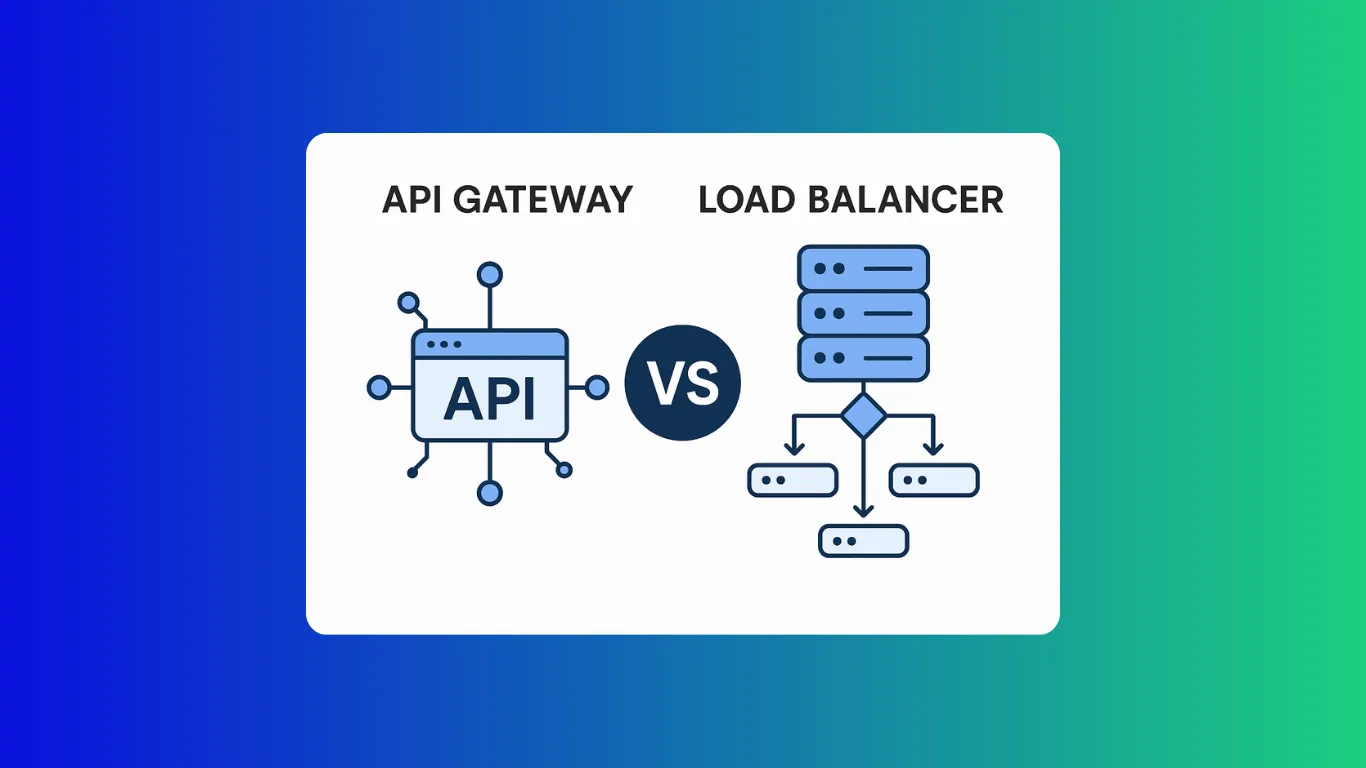
In the world of modern cloud architecture, two terms often come up when it comes to managing application traffic: API Gateway and Load Balancer.
Although they may seem similar, their roles are quite distinct.
Knowing the difference between these two components is essential to building a high-performance, secure and scalable infrastructure.
In this article, we will:
-
Define what a Load Balancer is
-
Explain the role of an API Gateway
-
Compare their use cases
-
And finally, help you choose the right solution for your needs
What is a Load Balancer?
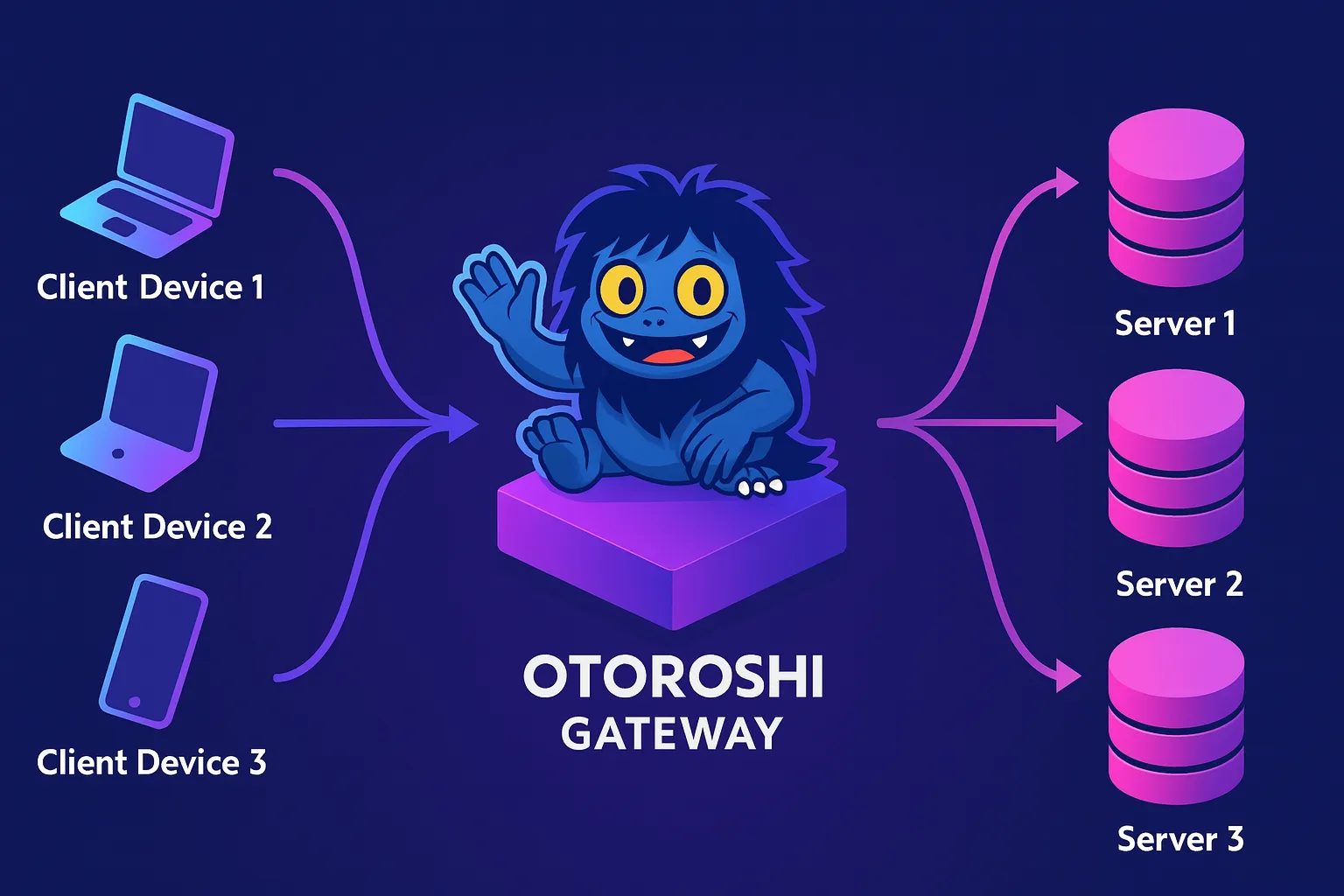
A Load Balancer (or traffic distributor) is a network component that automatically distributes incoming traffic across several servers or instances of the same service.
It mainly operates at layer 4 (transport) or layer 7 (application) of the OSI model.
Main objectives:
-
Spreading traffic to avoid overloading a single server
-
High availability and fault tolerance
-
Better overall performance
Example use case:
A high-traffic website can use a Load Balancer to spread HTTP requests across several web servers (e.g. Nginx, Apache).
What is an API Gateway?
An API Gateway is much more than a traffic distributor.
It is designed to handle calls to APIs (application programming interfaces), ensuring their security, governance and orchestration.
It sits between clients (applications, mobile apps, partners…) and your backend services (microservices, databases, etc.).
Key features of an API Gateway:
-
Authentication & Authorization (OAuth2, JWT)
-
Rate Limiting (throttling)
-
Request and response transformation
-
Smart routing (based on versions, headers, payload…)
-
Monitoring & Logs
-
API lifecycle management
Example use case:
A company exposes its business services (inventory, orders, payments) through APIs.
The API Gateway centralizes all calls, enforces security rules, traces calls and enables global governance.
Load Balancer vs API Gateway: the comparison
| Feature | Load Balancer | API Gateway |
|---|---|---|
| Traffic distribution | ✅ Yes | ✅ Yes (with application logic) |
| Authentication | ❌ No | ✅ Yes |
| API security | ❌ No | ✅ Yes (WAF, TLS, etc.) |
| JSON/XML transformation | ❌ No | ✅ Yes |
| Rate limiting | ❌ No | ✅ Yes |
| API call monitoring | ❌ Basic | ✅ Advanced |
| API governance | ❌ No | ✅ Yes |
Which solution should you choose for your infrastructure?
-
If your only goal is to spread traffic across several servers to guarantee availability, a Load Balancer is enough.
-
On the other hand, if you want to expose, secure, version and manage APIs for internal or external applications, an API Gateway is a must.
In reality, these two tools are complementary. A modern architecture often uses a Load Balancer at the front, which directs HTTP traffic to an API Gateway, which in turn manages the APIs and routes requests to the right services.
Why choose a cloud API management solution?
APIs are now at the heart of digital transformation. For businesses, outsourcing API management to a cloud platform makes it possible to:
-
Get to production faster
-
Benefit from secure, scalable hosting
-
Track performance and usage through advanced dashboards
-
Easily integrate authentication tools (SSO, tokens, etc.)
Cloud APIM: the French cloud API management platform
At Cloud APIM, we help companies expose, secure and monitor their APIs with a complete API Management solution, delivered as SaaS or in a private cloud.
Our strengths:
-
Hosting that is sovereign, in France 🇫🇷
-
Customizable developer portal
-
Advanced security (TLS, OAuth2, WAF)
-
Enterprise support & technical guidance
In a nutshell:
-
The Load Balancer distributes traffic,
-
The API Gateway governs, secures and traces API calls
-
The two can (and often should) be used together.
➡️ Ready to structure your API strategy? Try our platform now at cloud-apim.com or contact our experts for a demo.