

✨ Why API Management is Crucial for Your Business ? 📈
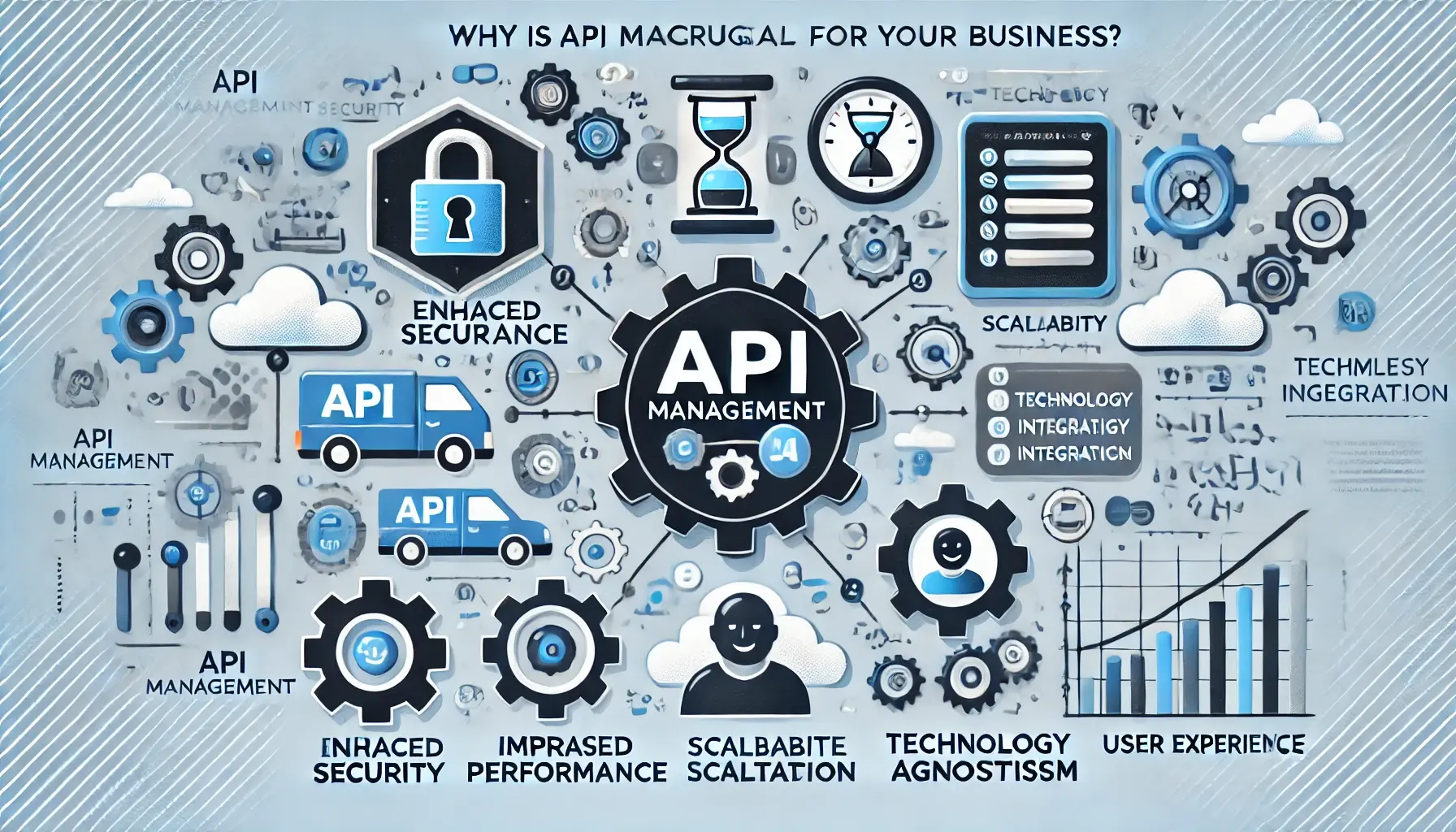
In today’s fast-paced digital world, APIs are the backbone of modern software development.
APIs enable different software systems to communicate with each other, fostering innovation and streamlining processes.
However, managing these APIs effectively is essential for businesses to harness their full potential.
This is where API management comes into play.
In this article, we’ll explore why API management is crucial for your business and how it can drive success.
🛡️ Enhanced Security
Protect Your Data and Systems
Security is a top priority for any business, especially when dealing with APIs that expose critical data and services.
API management provides robust security measures such as authentication, authorization, encryption, and threat detection.
By implementing these controls, businesses can protect their data from unauthorized access and cyber threats.
Security - Example :
For instance, OAuth2 is a common authorization framework used in API management to ensure that only authenticated users can access specific resources.
This prevents unauthorized access and keeps sensitive information secure.
⚡ Improved Performance
Optimize and Monitor API Usage
Performance is key to maintain user satisfaction and operational efficiency.
API management tools offer monitoring and analytics features that help businesses tracking their API performance, usage patterns, and response times.
This data is invaluable for identifying bottlenecks, optimizing API endpoints, and ensuring that the system runs smoothly.
Monitoring - Example :
A company might use API management to monitor API calls during peak times, identifying and addressing slowdowns proactively to maintain high performance and reliability.
📈 Scalability
Manage and Scale APIs Effortlessly
As businesses grow, their API usage typically increases.
API management platforms provide the scalability needed to handle this growth.
They allow businesses to scale their API infrastructure seamlessly, ensuring that they can accommodate increased traffic without compromising performance.
Scalability - Example :
A retail company experiencing a surge in traffic during holiday sales can rely on API management to scale their API resources automatically, ensuring a smooth shopping experience for customers.
🔗 Seamless Integration
Connect Different Systems and Platforms
API management facilitates the integration of diverse systems and platforms, enabling businesses to create a cohesive digital ecosystem.
This seamless integration helps streamline operations, improve efficiency, and foster innovation.
Seamless Integration - Example :
An e-commerce platform can integrate with various payment gateways, shipping services, and inventory management systems through APIs, all managed centrally to ensure consistent and reliable operation.
🌐 Technology Agnostic
Flexibility Across Different Technologies
One of the significant advantages of modern API management is its technology-agnostic nature.
This means that businesses can integrate and manage APIs across various technology stacks and platforms without being tied to a specific vendor or technology.
This flexibility allows organizations to adopt the best tools and services for their needs, promoting innovation and agility.
Technology Agnostic - Example:
A financial services company can use an API management platform to integrate APIs from different fintech providers, regardless of the underlying technology each provider uses.
This ensures seamless operation and the ability to choose the best solutions without compatibility concerns.
🌟 Better User Experience
Deliver Consistent and Reliable Services
User experience is critical to the success of any business.
API management ensures that APIs deliver consistent, reliable, and high-quality services to users.
By managing API versioning, monitoring performance, and ensuring uptime, businesses can provide a superior user experience.
UX - Example :
A mobile app relying on multiple APIs for functionalities like weather updates, location services, and social media integration can ensure all APIs are performing optimally, providing users with a seamless and enjoyable experience.
✨ Conclusion
API management is not just a technical necessity : it is a strategic asset that can drive business growth and innovation.
By enhancing security, improving performance, enabling scalability, facilitating seamless integration, and ensuring a better user experience, API management helps businesses maximize the potential of their APIs.
Investing in robust API management solutions is essential for staying competitive in today’s digital landscape.
Embrace API management to unlock new opportunities, drive efficiency, and deliver exceptional value to your customers.
🚀 Get Started Now
Ready to get started with Cloud APIM Serverless ?
Sign up now and take the first step towards secure and efficient API management !
🎥 Youtube Videos
📡 Stay Connected
Follow our blog for the latest updates, tips, and best practices for Cloud APIM Serverless and API management.
🏢 About Cloud APIM
Cloud APIM provides cutting-edge, managed solutions for API management, enabling businesses to leverage the full power of their APIs with ease and efficiency. Our commitment to innovation and excellence drives us to offer the most advanced tools and services to our customers, empowering them to achieve their digital transformation goals.
Comments
Join the discussionNo comments yet. Be the first to comment.


